
How Cities Are Replacing Aging Lead Service Lines

How Cities Are Replacing Aging Lead Service Lines The infrastructure that carries water to our homes is often referred to as “the hidden system.” Beneath our streets lies a vast, complex network of pipes that we rarely think about until something goes wrong. In recent years, however, a critical conversation has moved from technical journals […]
The Science Behind Lead Detection in Water Samples

When a homeowner sends a water sample to a lab, it is easy to view the resulting report as a simple “yes” or “no” regarding safety. However, the process between filling a bottle at your kitchen tap and receiving a data-backed result is a feat of modern analytical chemistry. Detecting lead in drinking water is […]
Why Every Childcare Facility Should Test for Lead in Water

In the journey of early childhood development, few environments are as influential as the childcare facility. Parents entrust these spaces with the safety, health, and well-being of their children during their most critical years of growth. While we rigorously screen for safety hazards like sharp corners, proper ratios, and secure exits, there is one critical, […]
Lead vs. Copper Contamination: What’s the Difference?
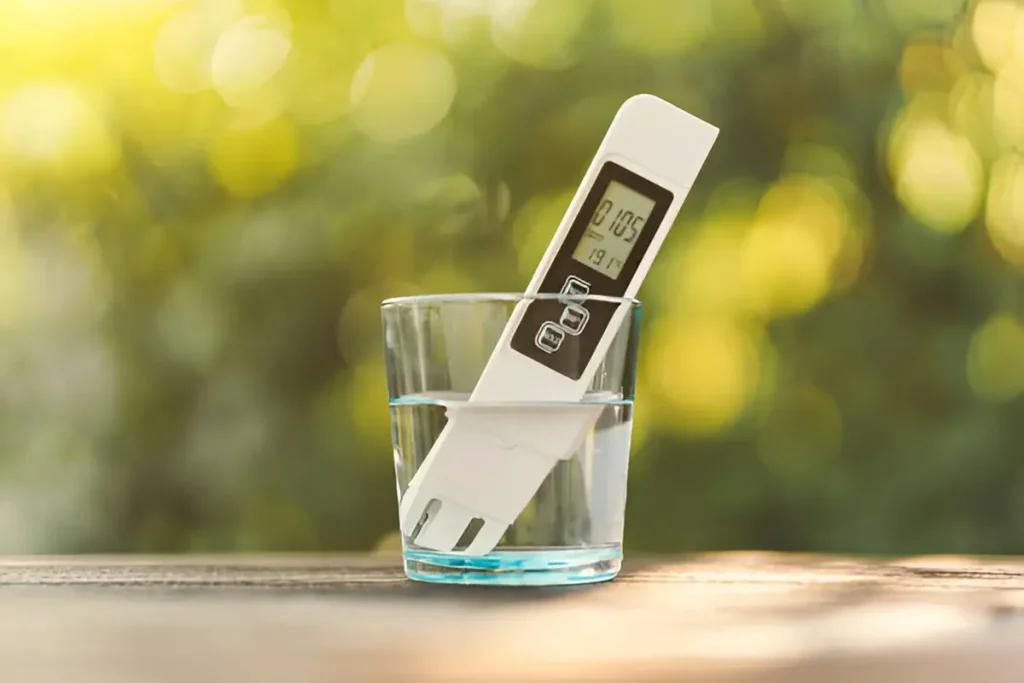
When homeowners learn that their tap water may be compromised, they are often confronted with two distinct concerns, lead and copper. Certified copper water testing in Brooklyn is a professional water quality service that analyzes your tap water for copper contamination, works by collecting and testing a sample from your home, and helps you understand […]
Common Myths About Lead in Drinking Water

When it comes to the safety of our home’s water supply, it is easy to fall back on common assumptions. Because lead is a topic that surfaces in news headlines and neighborhood conversations, a “conventional wisdom” has developed around it. Unfortunately, much of this wisdom is inaccurate, and these misconceptions can lead families to overlook […]
Understanding Lead Test Reports and Laboratory Results
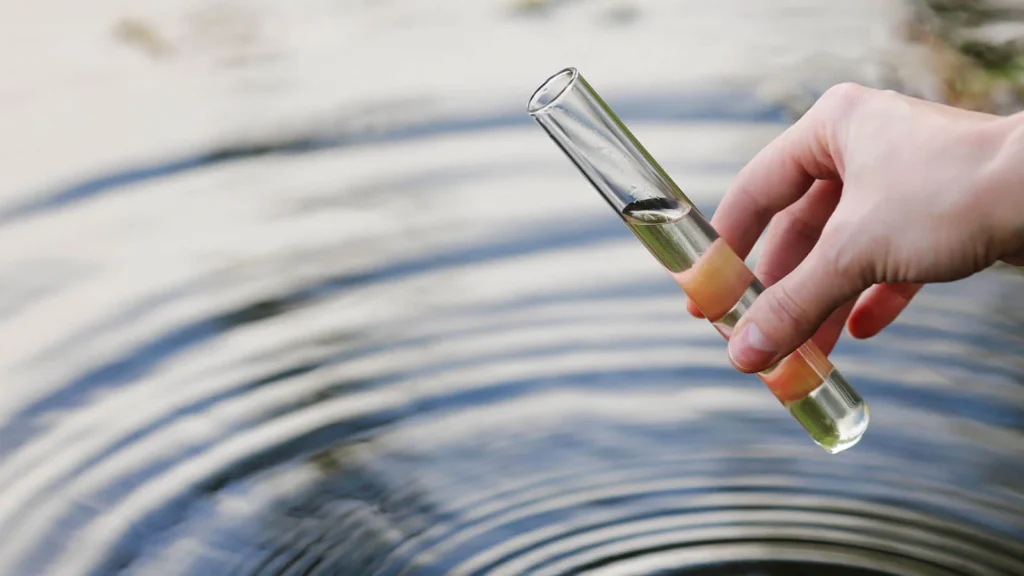
Receiving a laboratory report after testing your home’s water can be an exercise in anxiety. You’ve taken the proactive step of using professional lead testing services, the samples have been processed, and now you are staring at a document filled with technical jargon, numerical values, and acronyms. It is completely normal to feel a bit […]
How Often Should You Test Your Water for Lead?
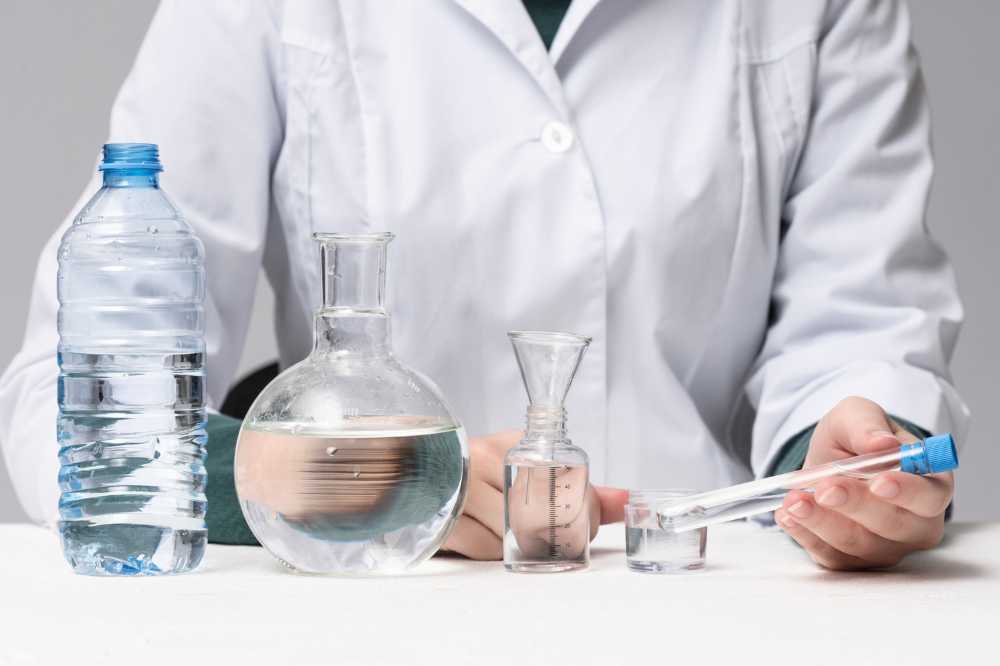
Professional residential water testing in NYC helps homeowners verify what is actually in their tap water by checking for contaminants such as lead, so they can move beyond assumptions and get clear, reliable results about whether the water flowing into their homes is safe. For many homeowners, water quality is something they assume is “handled” […]
Lead in Private Wells: Risks and Testing Recommendations
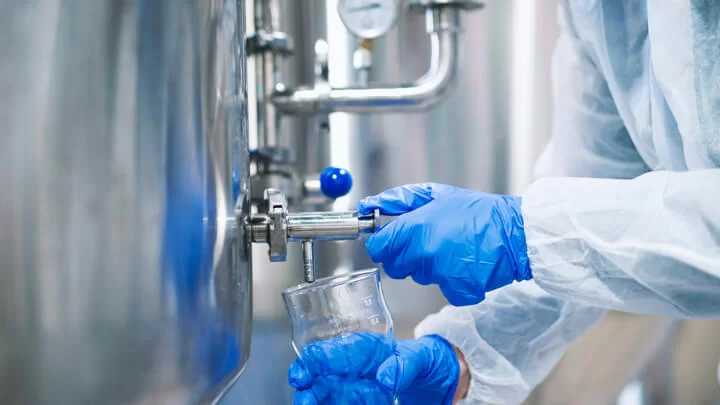
For millions of households, the independence of a private well is a major benefit of homeownership. There is something inherently reassuring about drawing water directly from the earth on your own property. However, this independence comes with a significant responsibility: you are your own water utility. While municipal systems are governed by strict federal regulations […]
The History of Lead Pipes and Their Impact on Public Health
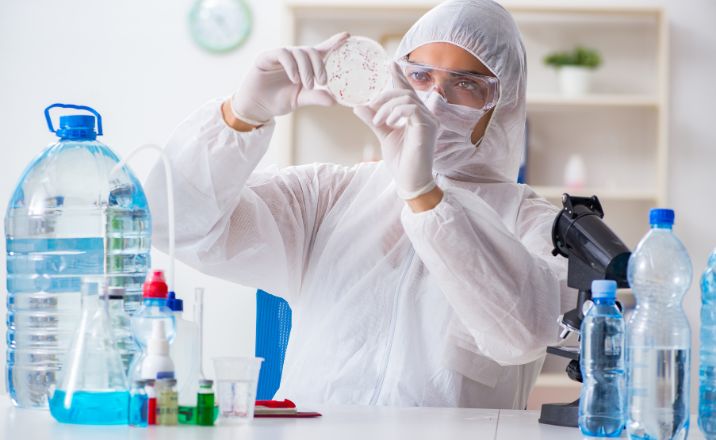
When we consider the marvels of modern infrastructure, we often think of water systems as a static achievement—a finished project. In reality, our water systems are a living history of construction practices, shifting safety standards, and evolving chemical knowledge. Among the most enduring, and problematic, artifacts of this history are lead pipes. The story of […]
Lead Exposure Symptoms Adults Should Never Ignore
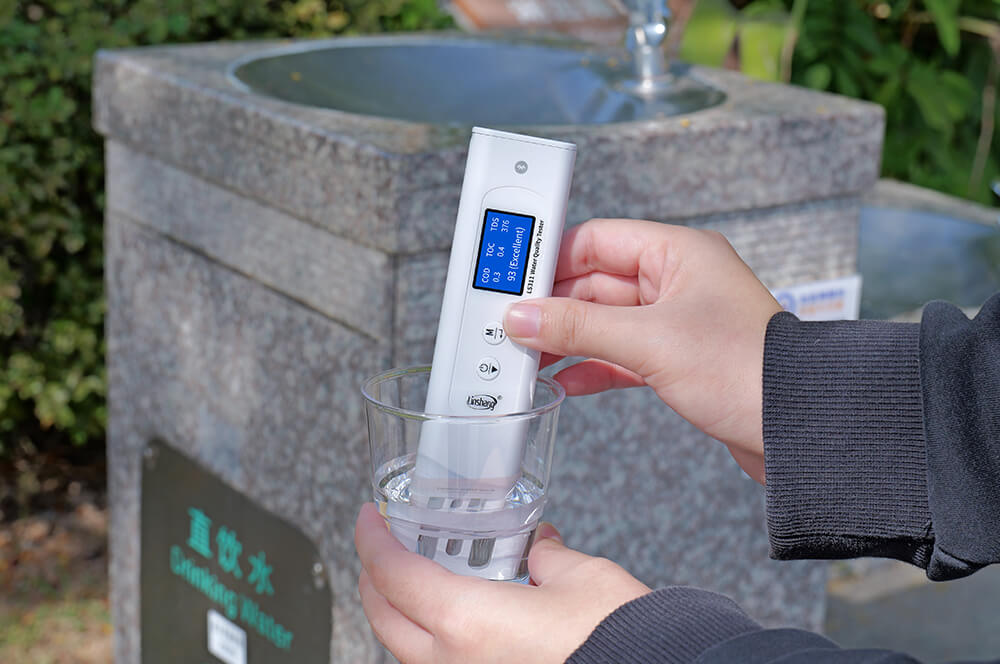
When the subject of lead poisoning arises, the conversation almost universally turns to children. This focus is entirely appropriate, because children’s bodies and brains are in a constant state of rapid development, making them uniquely vulnerable to the neurotoxic effects of lead. For that reason, Heavy metal water testing in Manhattan is a practical way […]