
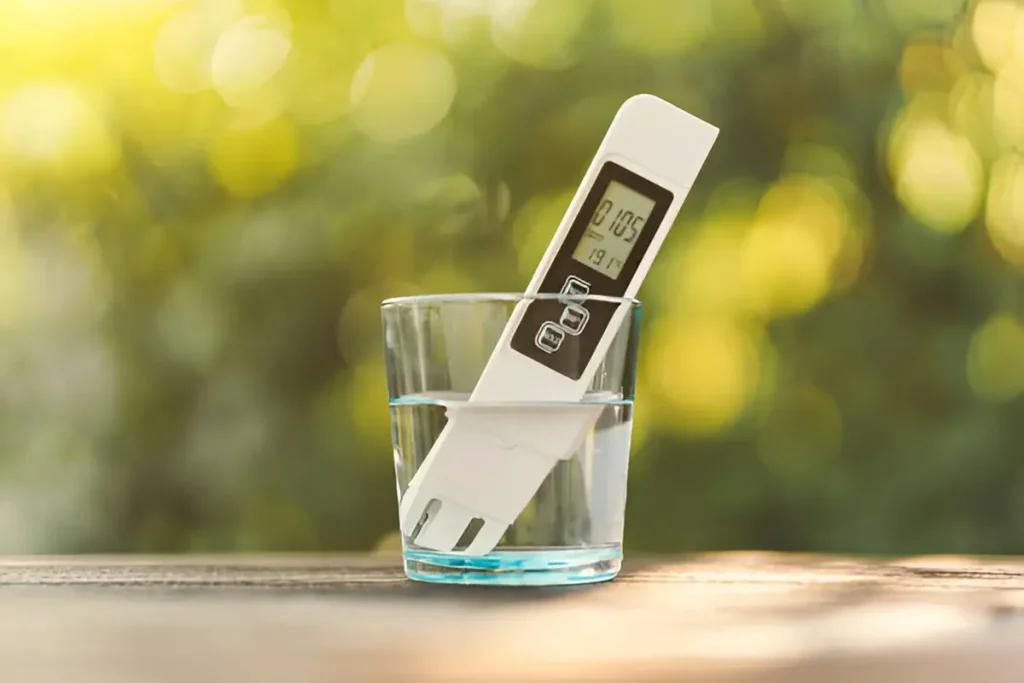
When homeowners learn that their tap water may be compromised, they are often confronted with two distinct concerns, lead and copper. Certified copper water testing in Brooklyn is a professional water quality service that analyzes your tap water for copper contamination, works by collecting and testing a sample from your home, and helps you understand whether plumbing corrosion or other sources may be affecting your water so you can protect your health, your home’s infrastructure, and your long-term peace of mind. While both are metals that can leach from household plumbing, they represent fundamentally different risks to your health, your home’s infrastructure, and your long-term peace of mind.
Understanding the difference between lead and copper contamination is not just an academic exercise—it is a critical part of managing your home’s health risks. By knowing what to look for and how to interpret potential signs of trouble, you can take control of your water quality and make informed decisions about your plumbing.
The Chemistry of Contamination
Both lead and copper leaching are primarily caused by the same trigger: corrosion. When water is “aggressive” or acidic, it reacts with the materials inside your pipes. However, the source of these metals and the way they affect your daily life differ significantly.
Lead: The Silent, Cumulative Toxin
Lead is a legacy material. It was used in service lines and as a solder to join copper pipes for decades before it was banned in 1986. Because lead is a potent neurotoxin, there is no level of exposure that is considered “safe.”
Lead is invisible in water. It doesn’t change the color, taste, or odor of your tap water, even at high concentrations. Because it is a cumulative toxin, it builds up in the body over time, settling into the bones and tissues. The danger of lead is not about the plumbing aesthetic—it is entirely about the physiological impact on your family’s nervous system, cognitive development, and long-term health.
Copper: The Visible, Acute Irritant
Copper, by contrast, is a common plumbing material that is still used in many homes today. In small amounts, copper is actually an essential nutrient. However, at high concentrations—usually resulting from severe corrosion—it can become a health hazard and an infrastructure problem.
Unlike lead, copper often leaves a “calling card.” If your water has elevated copper levels, you may notice blue-green staining on your sinks, tubs, or fixtures. You might also notice a distinct, metallic taste in your water. While copper poisoning can cause digestive issues like nausea and abdominal pain, it generally does not have the same long-term neurotoxic profile as lead. The primary concern with copper is often the damage it does to your plumbing system, eventually leading to leaks and the need for expensive repairs.
Identifying Your Specific Risk
To determine which metal you might be dealing with, it is helpful to look at the age and construction of your home. You can investigate where lead comes from to see if your property is likely to have older lead service lines or lead-based solder.
If you are seeing blue-green stains, it is a strong indicator that your water chemistry is acidic and is actively corroding your copper pipes. While this is a visible warning sign for copper, it is also a “red flag” for lead. If you have acidic water that is stripping copper from your pipes, it is highly likely that this same water is also leaching lead from any solder joints or older components within the same system. In this sense, copper staining is a warning sign that your entire plumbing system is under chemical attack.
The Importance of Professional Testing
Because lead is invisible, you cannot use your eyes or your palate to assess your risk. Even if your copper levels are low, you could still have a dangerous lead presence due to a single, localized source like a lead service line.
Utilizing professional lead testing services is the only way to obtain an accurate picture. When you test for lead, most labs can also test for copper, providing you with a comprehensive analysis of your water’s chemical health. Getting this data is the best way to determine if you are dealing with a standard plumbing nuisance or a serious environmental hazard.
Contextualizing Your Risk by Location
Depending on your locations, the chemistry of your water may naturally be more or less corrosive. Some municipalities have worked hard to implement “corrosion control” programs, which add chemicals to the water to form a protective coating inside your pipes. However, even with these protections, your specific home environment—the age of your pipes, the temperature of your water, and the length of time your water sits stagnant—will ultimately determine your risk.
If you are unsure whether your local area has a history of water chemistry issues, your local water utility’s annual report is a great starting point, but remember that it is only a general overview.
Taking Action: From Identification to Protection
Regardless of whether you are concerned about lead, copper, or both, the path forward is similar:
- Test First: Do not guess. Get a laboratory-certified test to identify which metals are present and in what concentrations.
- Understand Your Data: We offer resources and answers to frequently asked questions that can help you understand how to read your laboratory results. Knowing whether you are dealing with a regulatory concern or a plumbing maintenance issue changes the steps you need to take.
- Manage the Exposure: If you find elevated lead, your priority is to stop the intake immediately, often through certified filtration or flushing. If you find elevated copper, your priority is to work with a plumber to neutralize your water’s pH and stop the damage to your home’s infrastructure.
Support for Your Home
If you are worried about the state of your plumbing or have seen evidence of corrosion like staining, please contact us. We can help you navigate the testing process and provide the clarity you need to move forward.
Whether you are dealing with the invisible, cumulative risks of lead or the visible, infrastructure-damaging reality of copper, having the facts is the first step toward safety. You don’t have to wait for a major plumbing failure or a health concern to take action. Testing today is the best way to ensure that your home remains the safe, reliable sanctuary your family deserves.
Disclaimer: This blog post is for informational purposes only and does not constitute medical or plumbing advice. If you are experiencing persistent health symptoms or significant plumbing failures, consult with a professional immediately.
External Authority Links for Further Reading: