
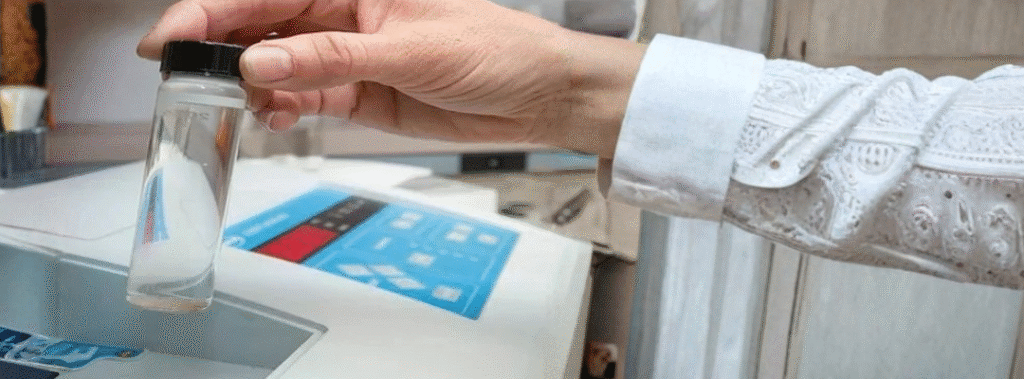
Home water testing services in the Bronx help homeowners identify potential contaminants in their drinking water by collecting and analyzing a sample from the tap, giving families clear answers about water quality and added peace of mind, especially when living in older properties. When purchasing a home or raising a family, we often focus on the cosmetic details, the layout, the neighborhood, and the school district. However, for those living in older properties, there is a technical detail that carries significant health implications, the year the house was built. Specifically, homes constructed before 1986 are statistically at a much higher risk for lead-contaminated drinking water.
While this may sound alarming, understanding the “why” behind this date is the first step toward taking control of your home’s safety. It isn’t about being fearful of your own four walls; it is about recognizing the building standards of the past and taking practical steps to ensure your environment is safe for the future.
The 1986 Turning Point: Why That Year?
The year 1986 serves as a major milestone in plumbing history due to the federal “Lead Ban” amendments to the Safe Drinking Water Act. Prior to this, lead was a preferred material for both pipes and the solder used to join copper piping together.
Before 1986, lead-based solder was common because it was malleable, durable, and inexpensive. It created a reliable seal between pipe joints. However, as public health research began to definitively link lead exposure to developmental and neurological damage, the federal government moved to restrict its use. While the ban went into effect, it didn’t mean lead magically disappeared from the existing housing stock. Millions of homes across the country, particularly those built during the post-war building boom, were already plumbed with these materials.
The Mechanisms of Contamination
If you live in a home built before 1986, it doesn’t mean your water is automatically “poisoned,” but it does mean your plumbing is inherently more susceptible to a process called corrosion.
Lead does not typically exist in the water that leaves a city treatment plant. Instead, it leaches into the water stream inside the home. When water interacts with lead solder or aging pipes, it can dissolve tiny amounts of the metal. This reaction is influenced by three main factors:
- Water Chemistry: Water that is acidic or “soft” is more corrosive and tends to strip lead from pipes more aggressively.
- Temperature: Hot water is significantly more corrosive than cold water. Using hot water from the tap for cooking or making baby formula can dramatically increase the amount of lead being pulled into your food.
- Stagnation: Lead leaches into water that sits still. If you haven’t turned on the tap for several hours—like overnight—the water sitting in those joints has had ample time to become saturated with dissolved lead.
If you are curious about the mechanics of how this happens, you can find more information on where lead comes from in a residential setting. Understanding the anatomy of your home’s plumbing is the best way to determine if you need to be concerned.
Evaluating Your Specific Risk
Age is the primary risk factor, but it is not the only one. Geography also plays a role in the health of your water. The infrastructure of your city—the main lines beneath the street—can also contain lead, and these lines can feed directly into your home.
In many locations, local water authorities are working to map and replace aging service lines. However, the internal plumbing remains the homeowner’s responsibility. If you reside in an area with a high density of pre-1986 housing, you may find that lead is a common topic of discussion among neighbors and local public health boards.
The Impact on Health
It is impossible to discuss lead without addressing the health risks. Lead is a cumulative neurotoxin. For children, even low-level exposure can interfere with brain development, potentially leading to lower IQs, shortened attention spans, and behavioral challenges. Because these effects are often subtle and permanent, prevention is the only viable path.
The unfortunate reality is that because lead is colorless, odorless, and tasteless, you cannot know if you are being exposed simply by looking at your water. This is why lead testing services are so essential for homeowners in older buildings. A professional laboratory analysis provides a precise measurement, removing the uncertainty and allowing you to make an informed decision on whether a water filtration system or plumbing upgrade is necessary.
Practical Mitigation Strategies
If you own an older home and are concerned about lead, you don’t necessarily need to rip out your walls today. There are several highly effective ways to mitigate risk while you investigate your home’s specific plumbing status:
- Flush the taps: If water has been sitting for more than six hours, run the cold water tap for at least one to two minutes before using it for drinking or cooking. This clears out the water that has been sitting in contact with the pipes.
- Cold water only: As previously mentioned, hot water dissolves lead much faster. For cooking and drinking, always use cold water and heat it on the stove.
- Clean your aerators: The small screen on the tip of your faucet can trap tiny lead particles. Removing and cleaning these aerators every few months is a simple way to reduce particulate lead.
- Consider filtration: If testing shows the presence of lead, investing in an NSF/ANSI Standard 53 certified filter is a highly reliable way to protect your drinking water.
Staying Informed
If you find yourself overwhelmed by the prospect of testing your water, you aren’t alone. Many people have the same questions about the process, the costs, and the significance of their findings. Checking through frequently asked questions can often clear up common misconceptions and give you a better framework for how to proceed.
Taking control of your water quality is an act of care for your family. If you need clarity on your specific situation or would like to schedule a professional assessment, do not hesitate to contact us. Proactive maintenance is always more cost-effective and safer than waiting for a problem to manifest. Your home was built for shelter, and with a little attention to its hidden details, you can ensure it remains a truly healthy place to thrive.
External Authority Links for Further Reading: