
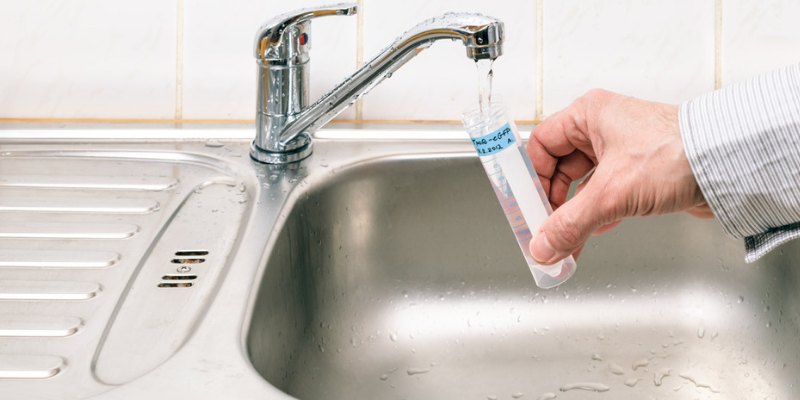
Tap water testing in Manhattan helps identify what your water may contain by checking a sample for common concerns, so even when your tap looks crystal clear, smells like nothing at all, and tastes perfectly refreshing, you can make a more informed decision about whether it is safe to drink. When we turn on the kitchen tap, we naturally rely on our senses to judge the quality of our water, and if it seems clean, we instinctively assume it is safe. This sensory trust is how we’ve navigated the world for millennia, if it looks clean, it probably is.
However, when it comes to lead contamination, our senses are not just unreliable—they are entirely ineffective. Lead is a “silent” contaminant. It is invisible, odorless, and tasteless, meaning you cannot detect it with a glass of water, no matter how hard you try. Relying on the appearance of your water is a dangerous gamble that can leave your household exposed to a potent neurotoxin without your knowledge.
NRDC+ 3
The Invisible Threat
Lead usually enters drinking water not at the treatment plant, but through the infrastructure of your home. It leaches from lead service lines, lead-based solder used to join copper pipes, or even older brass fixtures. This corrosion is a chemical process that happens behind your walls and beneath your floors.
Culligan Water+ 1
Because lead is a dissolved metal, it doesn’t leave “floaties” or sediment that you could spot in a glass. It is chemically integrated into the water stream, especially when water has been sitting stagnant in your pipes overnight or throughout the day. You could be consuming water that has been in contact with lead piping for hours, and the only thing you would notice is the lack of any noticeable color or smell.
EPA
Understanding where lead comes from is the first step toward dispelling the myth that “clear” equals “clean.” The most dangerous water in your home may look exactly like the safest.
Why Sensory Cues Fail Us
We are accustomed to identifying water issues through obvious cues: sulfur, which announces itself with a rotten-egg smell; iron, which can turn water a rusty, orange hue; or sediment, which makes water cloudy.
Culligan Water
Lead, however, does not follow these rules. It is a heavy metal that remains perfectly dissolved. Even at concentrations that far exceed federal safety thresholds, the water remains pristine in appearance. This is why public health experts consistently state that the only way to determine if your water is safe is through laboratory analysis. If you are worried about the age of your home or the materials used in your plumbing, looking at the water is not a solution; testing it is.
Culligan Water+ 1
The Hidden Nature of Risk
For many families, the danger is exacerbated because lead is a cumulative toxin. Unlike a one-time exposure to a pathogen that might cause a stomach bug, lead accumulates in the body over time.
EPA
If you are a parent, the health risks are particularly concerning. Children under the age of six are in a critical window of development, and their brains and central nervous systems are highly susceptible to damage. Because the lead is invisible, a child could be consuming it daily without the parents ever realizing there was a problem. In adults, chronic low-level exposure is linked to issues like high blood pressure, kidney damage, and cardiovascular problems. Because these symptoms manifest slowly, they are often attributed to other causes, and the true culprit—your tap water—remains unsuspected.
DC Water+ 2
Taking Action: From Uncertainty to Data
If your home was built before the late 1980s, you are statistically more likely to have plumbing components that could contribute to lead in your water. If you live in locations known for older housing stock, the potential for hidden lead is something that should be taken seriously.
Berkey® Store
You don’t have to live in uncertainty. The process of getting answers is simpler and more accessible than many homeowners realize:
- Professional Testing: Don’t rely on at-home test strips, which often lack the necessary sensitivity for low-level lead detection. Utilize certified lead testing services that can provide a laboratory-grade analysis of your water. Environmental Hazards Services LLC
- Understand Your Exposure: Whether the test reveals a concern or confirms that your water is safe, you will finally have the objective data you need to stop guessing.
- Manage the Risk: If your results show elevated levels, you don’t necessarily need to panic. There are many ways to manage your exposure—from using NSF-certified filters to flushing your taps—while you develop a plan for permanent solutions like pipe replacement. NRDC
How to Get Started
Many homeowners are surprised by how many questions they have once they start looking into their water quality. Our frequently asked questions section is a great place to start, offering guidance on how to collect a sample, why specific testing protocols matter, and what to do if you receive a result that shows lead.
If you have specific concerns about your home’s infrastructure or want to learn more about the steps you can take to protect your family, please contact us. We specialize in helping homeowners move past the “visual test” and into the realm of informed, data-driven safety.
The reality of lead is that it doesn’t need to be seen to be dangerous. By choosing to test your water today, you are moving away from the dangerous assumption that clear water is safe and taking proactive control of your home’s environment. Your family’s health is worth more than a superficial glance at the tap.
Detekt Home
Disclaimer: This blog post is for informational purposes only and does not constitute medical advice. If you suspect you have been exposed to lead, please consult with a healthcare professional regarding blood lead testing.
External Authority Links for Further Reading: