
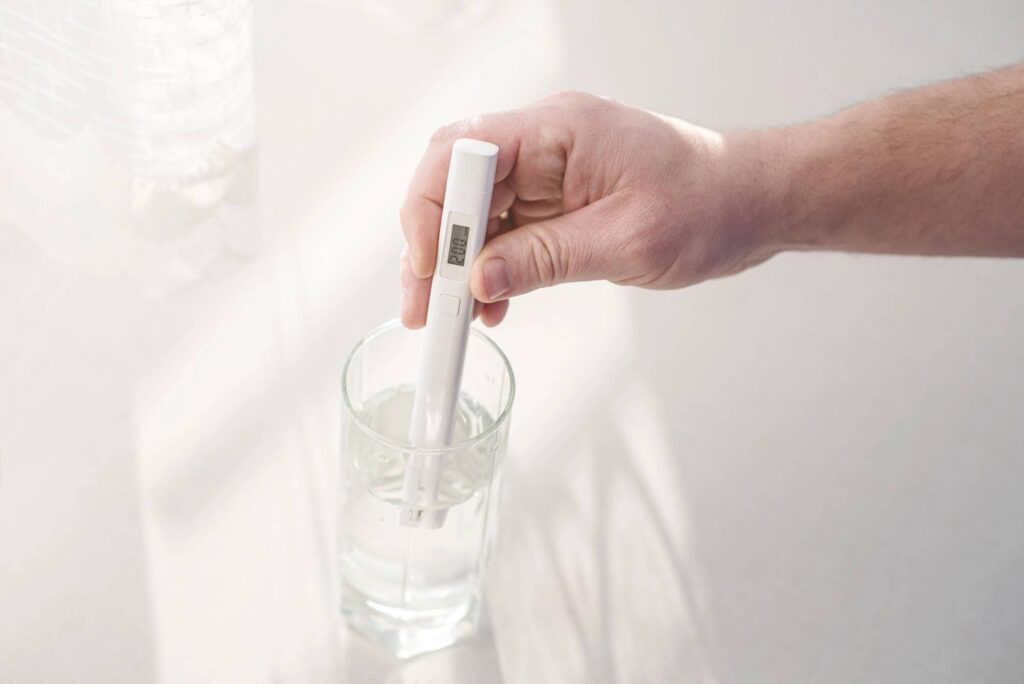
Queens copper water testing experts can help identify a key but often hidden part of your home’s water system, the service line, which carries water from the treatment plant to your house and, in many older homes across the country, is made of lead, making it important to understand how it can affect your water and why it matters for home ownership and family health. When we talk about water quality, the conversation often centers on the treatment plant or the glass of water sitting on our table, but there is a vital, often hidden piece of infrastructure in between: the service line.
Defining the Service Line
The service line is the pipe that connects the municipal water main—usually located under the street—to your home’s internal plumbing system. It is the primary artery through which all the water entering your house must travel.
For much of the 20th century, lead was a preferred material for these lines because it was incredibly durable, flexible, and resistant to corrosion from the surrounding soil. While these qualities made it an excellent construction material at the time, we now know that lead is a toxic neurotoxin. Today, these pipes serve as a constant, lingering potential source of contamination for the water that flows through them.
The Chemistry of Contamination
If your home is connected to a lead service line, it does not mean your water is permanently toxic. Instead, it means your water is “at risk” due to chemical leaching.
Lead service lines are subject to the same laws of physics and chemistry as any other plumbing material. If the water flowing from the city is acidic or lacks certain minerals, it can become “corrosive.” As this corrosive water passes through a lead pipe, it begins to dissolve tiny amounts of the metal.
This process is exacerbated by two things: stagnation and temperature. If water sits in that service line for several hours—like when you are asleep or at work—the concentration of lead increases significantly. By the time you turn on your kitchen tap in the morning, the water sitting in your pipes may contain much higher levels of lead than the water currently flowing through the city main. This is a primary reason why where lead comes from is such a critical question for homeowners to explore.
Why This Is a Public Health Priority
The concern regarding lead service lines is not merely academic; it is deeply tied to human biology. Lead is a cumulative toxin, meaning it stores itself in the body’s bones and tissues over time. For children, even trace amounts can interfere with the development of the brain and nervous system, leading to long-term cognitive and behavioral issues.
Because the health risks associated with lead are often invisible and irreversible, public health officials have made the identification and replacement of lead service lines a top priority. Unlike other home hazards, like a leaky roof or a drafty window, you cannot see or smell lead, meaning it can be present without anyone in the household ever knowing.
Assessing Your Risk by Location
Risk is rarely uniform. It is heavily influenced by geography and the era in which your neighborhood was developed. In many locations, water utilities are working hard to map out where these lines still exist. However, the accuracy of these maps can vary.
If you live in an older city or a home built before the mid-1980s, you should assume there is a possibility that your service line is made of lead until proven otherwise. Many homeowners are surprised to find that their home, though well-maintained and modern in appearance, is still connected to the original century-old piping.
How to Get the Truth
If you are concerned that your home might be serviced by a lead pipe, the only way to move from “worried” to “informed” is through professional testing.
Basic home test kits often lack the sensitivity to detect the levels of lead that are still considered dangerous by modern standards. Utilizing lead testing services that provide certified laboratory results is the best way to get a clear answer. These labs can tell you exactly what is in your water, allowing you to move past the uncertainty and formulate a plan.
Mitigation Strategies While You Decide
If you find that your home is connected to a lead service line, don’t panic. There are immediate, effective steps you can take to lower your risk:
- Flush the line: In the morning, run your taps for a few minutes before using the water. This flushes the water that has been sitting in the service line overnight.
- Use a certified filter: Ensure you are using a water filter that is specifically certified to remove lead, usually marked with an NSF/ANSI Standard 53 rating.
- Avoid hot tap water: Never use hot water for cooking or drinking. Lead leaches into hot water much more quickly than it does into cold water.
If you have more questions about how these lines work or what you should do if you suspect you have one, our frequently asked questions page is a great place to start. It covers everything from the initial signs of pipe corrosion to the steps involved in upgrading your system.
Taking the Next Step
The presence of a lead service line is a challenge, but it is one that can be managed. By understanding your home’s infrastructure, testing your water, and taking consistent precautions, you can protect your family and ensure a safe, healthy environment.
If you are ready to get the facts about your specific water quality, please contact us. Our goal is to provide you with the information you need to make the right choices for your home, your family, and your peace of mind.
External Authority Links for Further Reading: