
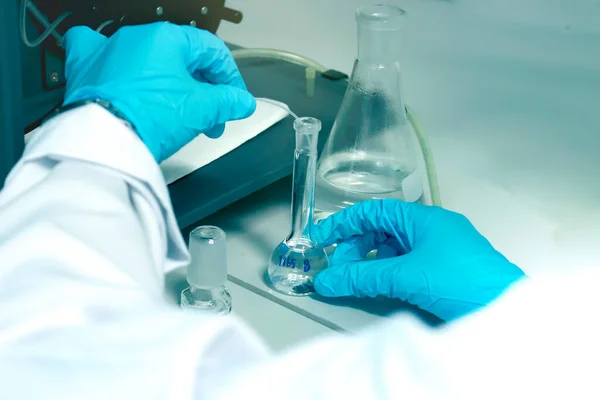
Bronx tap water testing services help identify what is in your water by using professional testing methods that go beyond what your senses can detect, giving you a clearer picture of potential issues and helping you protect your home, especially since some of the most dangerous contaminants, like lead, can be present even when water looks clean, smells fine, and tastes normal. When we think about water quality, our instincts often rely on our senses. We expect clean water to be crystal clear, odorless, and neutral in taste. Conversely, if our water looks cloudy, smells like rotten eggs, or has a metallic tang, we immediately assume something is wrong. However, when it comes to one of the most dangerous contaminants in our infrastructure, lead, these sensory cues are misleading.
The reality of lead contamination is far more insidious than many homeowners realize. It is entirely possible to have water that looks, smells, and tastes perfectly fine while simultaneously containing levels of lead that exceed health safety standards. Understanding why this happens and what you can do about it is a critical step in protecting your household.
The Sensory Illusion of Safety
Lead is a heavy metal, but in the context of drinking water, it doesn’t behave like visible sediment or strong-smelling chemicals like chlorine or sulfur. By the time water reaches your kitchen tap, any lead present is typically in a dissolved form. Because lead is colorless, odorless, and tasteless, it cannot be detected by the human senses.
This sensory absence is exactly what makes lead such a persistent public health challenge. If water tasted “like lead,” people would instinctively avoid it. Because it doesn’t, families can consume it for years without ever suspecting that their plumbing is contributing to a daily health risk.
Many people mistakenly assume that if their local water supply were contaminated, the utility company or local health department would immediately notify them, or that the water would show obvious signs of distress. While utility companies do provide water quality reports, those reports reflect the water as it leaves the treatment plant—not necessarily how it exits your kitchen faucet. The lead contamination often happens in the “last mile”: the service lines and internal plumbing fixtures inside or immediately surrounding your own home.
Where Does It Come From?
If lead isn’t visible, how does it end up in your glass? The contamination process usually occurs through corrosion. When water interacts with aging pipes made of lead, or brass fixtures that contain lead solder, the metal can leach into the water stream.
This process is influenced by several factors:
- Water Chemistry: Water that is acidic or low in mineral content is more “aggressive” and more likely to corrode pipes.
- Temperature: Hot water is generally more corrosive than cold water and can leach lead from plumbing faster.
- Stagnation: The longer water sits in contact with lead-bearing pipes—such as overnight or while you are at work—the higher the concentration of lead will be in that first draw of water in the morning.
For homeowners looking to understand their environment better, it is helpful to learn about where lead comes from in residential systems. By identifying the age of your home and the materials used in your plumbing, you can begin to assess your risk profile more accurately.
The Invisible Threat
Because you cannot detect lead yourself, many households rely on peace of mind through professional lead testing services. Laboratory analysis is the only way to determine if your water contains lead and, if so, at what concentration.
It is important to emphasize that there is no safe level of lead for children or pregnant individuals. The health risks associated with even low-level chronic exposure include developmental delays, behavioral issues, and long-term neurological impacts. Because these effects are cumulative and often irreversible, treating your water as “guilty until proven innocent” is the safest approach for families in older housing.
Taking Action at the Local Level
Risk is often geography-dependent. The age of a city’s infrastructure, the historical use of lead service lines in specific neighborhoods, and even current municipal construction projects can change the risk profile of your water overnight.
If you live in an older community or a home built before the mid-1980s, you are statistically at higher risk for lead-bearing plumbing materials. We encourage homeowners to look into the regulations and infrastructure reports for their specific locations. Knowing what is happening in your town can help you decide how urgently you need to address your home’s internal plumbing.
Beyond the Tap: What You Can Do
If you are worried that you cannot rely on your senses to keep your family safe, the good news is that you don’t have to guess. Here are a few practical steps to mitigate potential exposure:
- Flush your pipes: If water has been sitting for several hours, run the cold water tap for at least one to two minutes before using it for drinking or cooking. This flushes out water that has been in contact with your pipes for an extended period.
- Use cold water only: Never use hot tap water for drinking, cooking, or making baby formula. Lead leaches more easily into hot water.
- Get a filter: If you find that your home has a lead issue, use a water pitcher or a point-of-use filtration system that is NSF/ANSI Standard 53 certified to remove lead.
- Stay informed: Regularly review resources on how to manage your water quality to ensure your mitigation strategies remain effective.
Why Professional Testing Matters
While home test kits exist, they can sometimes provide inconclusive results or lack the sensitivity required to detect low levels of lead that are still considered significant by health standards. A certified laboratory can provide a precise measurement, which allows you to make informed decisions about whether you need to install a whole-home filter, replace your fixtures, or simply change your daily habits.
If you have questions about the process, the costs, or how to interpret your results, you can contact us to discuss your concerns. We understand that navigating water quality can be overwhelming, but getting the facts is the most effective way to eliminate the fear of the unknown.
Conclusion
The fact that lead cannot be seen, smelled, or tasted is exactly why it remains a “hidden” hazard in millions of homes. We often take the safety of our tap water for granted because it looks clean. However, clean-looking water is not always healthy water.
By acknowledging that our senses are not reliable detection tools, we empower ourselves to take more proactive steps. Whether it is verifying the age of your plumbing, checking your municipal water reports, or scheduling a professional test, you can take control of your environment. Protecting your family’s health starts with a simple, informed choice to look beyond the surface.
External Authority Links for Further Reading:
- EPA: Lead in Drinking Water
- National Science Foundation: Understanding Water Filters
- CDC: Understanding Blood Lead Levels